Top Strategies for Exam Success: Chemistry Tutoring That Gets Results
Attaining success in chemistry exams demands a strategic approach. Mastering fundamental concepts is essential, as is engaging in active learning. Quality tutoring involves working on problem-solving and using visual aids. In addition, time management contributes significantly in academic performance. By applying collaborative learning and regular assessments, students can boost their understanding. These foundational strategies set the stage for improved outcomes, but the specifics of their application can make all the difference.
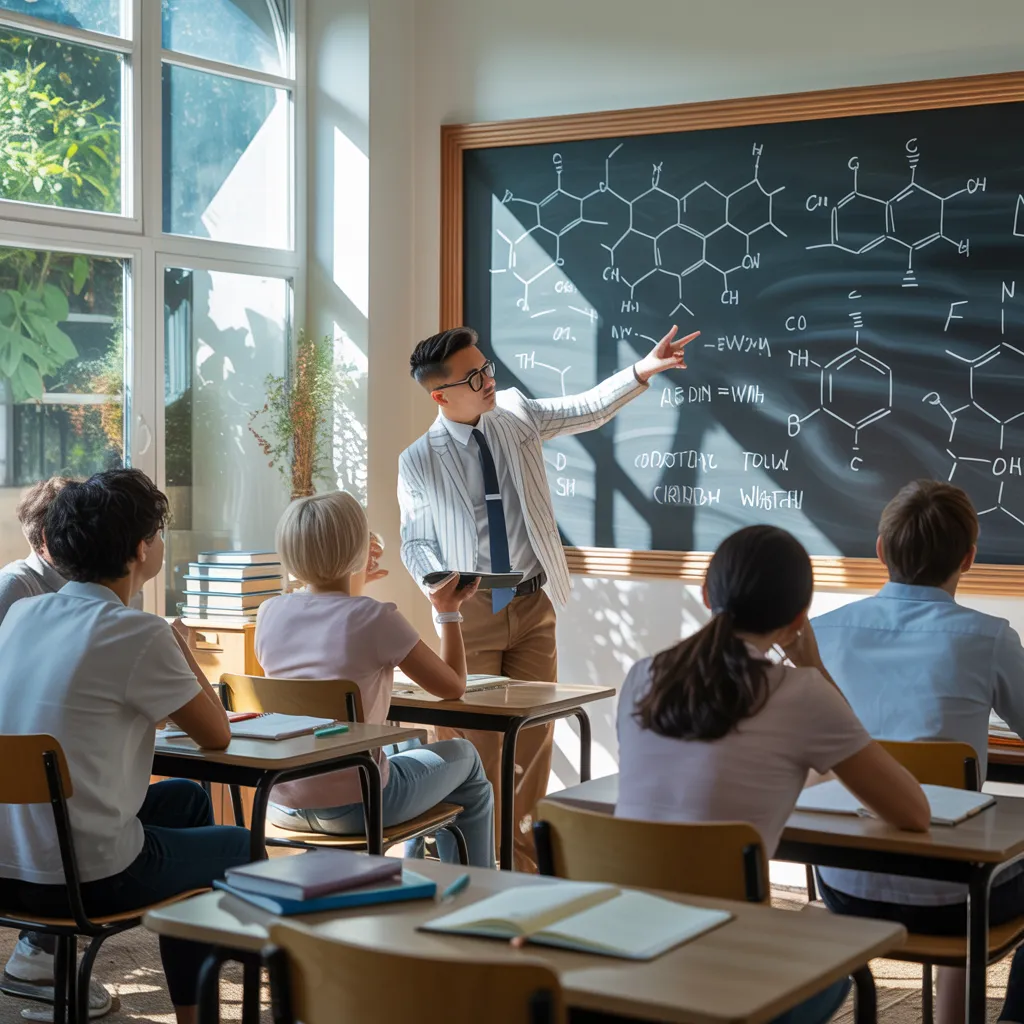
Grasping Basic Principles
Mastery of fundamental concepts serves as the foundation for academic success. Throughout the discipline of chemistry, grasping core principles including atomic structure, chemical bonding, and stoichiometry is vital. These fundamentals create the framework for intricate theories and facilitate student connections across multiple areas of study.
Once students comprehend these basic principles, they are more capable to tackle complex challenges and applications. For example, a thorough understanding of the periodic table allows for more straightforward comprehension of chemical reactions and characteristics of elements.
Furthermore, grasp of core concepts develops confidence in students, minimizing anxiety during exams. This confidence promotes a deeper engagement with the material, leading to improved retention and recall. Ultimately, prioritizing the understanding of these fundamental concepts lays the groundwork for success in exams and future academic pursuits within the field of chemistry.

Active Learning Methods
Building on a solid understanding of fundamental concepts, students can strengthen their learning experience through active learning techniques. These approaches encourage engagement and critical thinking, enabling students to take control of their education. Techniques such as group discussions, peer teaching, and interactive simulations promote collaboration and ensure a deeper grasp of chemical principles. By involving themselves in the learning process, students can bridge theoretical knowledge to practical applications, reinforcing their understanding.
Furthermore, incorporating tools including flashcards and concept maps can help visualizing relationships between topics, additionally solidifying knowledge retention. Active participation in laboratory experiments also encourages a hands-on approach, making abstract concepts more tangible. In addition, questioning and reflecting on the material empowers students to identify gaps in their understanding. On the whole, active learning techniques create a dynamic environment that fosters curiosity and self-directed learning, ultimately leading to better outcomes in chemistry examinations.
Hone Problem-Solving Capabilities
Honing problem-solving skills is critical for students striving to excel in chemistry examinations. These skills empower students to tackle complex questions in an organized manner, breaking them down into simpler parts. Regularly engaging with practice problems contributes to consolidate theoretical concepts and promotes critical thinking. Students derive value from a variety of problem types, including numerical calculations, conceptual questions, and application-based scenarios.
Furthermore, working through problems in a timed context simulates exam conditions, increasing efficiency and confidence. Cooperative study sessions can enhance learning, as examining solutions with peers enables the exchange of viewpoints and strategies.
Chemistry tutoring can further support this practice by providing targeted exercises that tackle individual weak points. Instructors can guide students through problem-solving processes, highlighting common errors and proven strategies. Ultimately, consistent practice in problem-solving provides students with the tools necessary to tackle the varied problems found in chemistry exams.
Leveraging Visual Aids and Resources
When preparing for chemistry exams, students can substantially strengthen their grasp of concepts by employing visual aids and resources. Visual tools such as diagrams, charts, and infographics deliver graphical representations of intricate concepts, making them easier to grasp. As an illustration, molecular structures become more comprehensible through 3D models, which allow students to see spatial connections.
Furthermore, video content and animations can display chemical reactions and transformations, presenting interactive illustrations that textbooks may lack. Flashcards function as useful tools for retaining key terms and equations, reinforcing learning through active retrieval.
Online platforms often feature interactive simulations that enable students to manipulate variables in experiments, expanding their knowledge of scientific principles. By incorporating these visual aids into their study routines, students not only boost retention but also foster a more engaging learning experience. Eventually, using diverse resources cultivates a well-rounded approach to mastering chemistry.
Time Management Strategies
Successful time management is vital for academic success, specifically during exam preparation. Students should prioritize their study sessions and concentrate on the most important topics, ensuring they allocate appropriate time for each subject. Moreover, setting realistic goals can help maintain motivation and track progress throughout the study period.
Make a Priority of Study Sessions
A lot of students realize that giving priority to study sessions substantially strengthens their time management skills and total academic performance. By pinpointing the most vital topics or concepts that necessitate attention, students can apportion their time more effectively. This approach permits them to address their weaknesses, strengthening their understanding of complex material. Creating a consistent study schedule forms a routine, making it more manageable to balance academic responsibilities with personal commitments. Besides, prioritizing study sessions inspires students to get rid of distractions, cultivating a more productive learning environment. Implementing tools such as to-do lists or digital calendars can help with organizing study time, confirming that students stay on track. Eventually, prioritizing study sessions is a vital strategy for achieving success in chemistry and other subjects.
Establish Achievable Goals
Creating achievable objectives is an essential aspect of efficient time management for students. By setting attainable objectives, students can more effectively distribute their study time and resources, ensuring a structured approach to their learning. Practical targets aid in breaking down complicated subjects like chemistry into manageable tasks, minimizing feelings of overwhelm. This strategic segmentation permits students to zero in on one concept at a time, promoting deeper understanding and retention. Moreover, setting specific, measurable, achievable, relevant, and time-bound (SMART) goals empowers students to track their progress and adjust their study plans as necessary. Eventually, realistic goal-setting encourages motivation and accountability, producing better performance and confidence in exam situations. Students who implement this strategy into their study routines are more apt to achieve their goals.
Collaborative Study Groups and Learning
Collaborative learning and study groups enhance the educational experience by fostering a dynamic environment where students can contribute information and help with each other's understanding of complex topics. In chemistry, where concepts can be complex, these groups enable students to tackle difficult material together. By talking through challenges and clarifying concepts to peers, students often reinforce their own understanding while helping others.
In addition, study groups foster diverse perspectives, as each member may tackle a topic differently, resulting in a more thorough grasp of the subject matter. Regular meetings can help sustain accountability, encouraging students to keep up with their studies. Moreover, the social aspect of collaboration can reduce stress, creating a supportive network that encourages persistence. Eventually, collaborative learning and study groups not only improve comprehension but also build essential skills such as teamwork and communication, which are crucial for success in both academic and professional settings.
Consistent Evaluation and Feedback
Regular assessments and timely feedback are essential components of an effective learning process. Throughout chemistry education, they operate as important resources for assessing pupil knowledge and discovering gaps needing attention. Regular tests and mock examinations both strengthen concept retention and assist learners in developing assurance in their understanding.
Timely feedback allows students to detect mistakes and grasp the underlying concepts, promoting deeper comprehension. Educators can adjust their instruction according to assessment results, guaranteeing that each student receives tailored attention.
In addition, regular assessments promote accountability and inspire students to engage consistently with the course material. By implementing a routine of evaluation, students turn more proficient at self-assessment, readying them for the challenges of actual exams. To summarize, incorporating regular assessments and constructive feedback into chemistry tutoring develops a dynamic learning environment that encourages academic success.
Questions & Answers
How Can I Locate a Quality Chemistry Tutor?
To discover a skilled chemistry tutor, one should request recommendations, check online reviews, evaluate qualifications, and interview potential candidates. A trial session can also help identify compatibility and teaching effectiveness for specific learning needs.
What Credentials Should I Look for in a Tutor?
When searching for a chemistry tutor, one should prioritize qualifications that include a relevant degree in the field of chemistry or education, instructional experience, strong communication abilities, and a established track record of assisting students reach academic success.
What Are the Expected Costs for Tutoring?
You can expect to pay between $30 to $100 per hour for tutoring, based on the tutor's qualifications, experience, and location. Prices can differ, so reviewing alternatives can help identify the best fit for financial constraints and needs.
Can Digital Tutoring Be as Effective as Physical Sessions?
Digital tutoring is often as beneficial as on-site tutoring, contingent upon the tutor's qualifications, the learner's cognitive style, and the resources utilized. One-on-one support and dynamic resources often enhance the online learning experience substantially.
How Can I Remain Motivated During Tutoring Sessions?
To maintain motivation during tutoring sessions, it's important to set clear goals, maintain a encouraging mindset, actively join discussions, view resource and reward yourself for achieving milestones, building an environment suitable for learning and personal growth.